
How We Diagnose Cam Belt Tension Problems and Unusual Engine Noises
It’s a typical drizzly British morning, temperature hovering around four degrees, and you’ve just turned the key. Instead of the usual smooth idle, there’s an unfamiliar whirring, a faint chirp, or a rhythmic squeak echoing from the plastic timing cover. You might be tempted to turn up the radio and ignore it, but our team knows that sound is the engine’s primary language. We believe tension and acoustics are the most overlooked aspects of cam belt replacement diagnostics. By the time a warning light flickers on, the damage is usually done. Understanding these sounds today could save you from a catastrophic valve crash tomorrow.
The Critical Link Between Cam Belt Tension and Engine Health
Incorrect tension isn’t just a minor adjustment issue; it fundamentally alters the effective timing belt interval. A belt running too tight or too loose won’t make it to its scheduled replacement mileage. We’ve seen premium Dayco and Gates belts fail tens of thousands of miles early simply because the tensioner wasn’t set correctly. When a belt is over-strained, the tensile cords inside stretch, and the precise tooth profile deforms. Under the stroboscopic light of our timing light, we can spot the harmonic flutter that indicates a belt is fighting against its pulleys, shearing off rubber teeth as it goes.
Why Over-Tensioning Destroys Bearings Faster Than Wear
An over-tensioned cam belt generates a distinct, high-pitched whining sound—often described as a supercharger-like drone that rises with engine RPM. This noise isn’t the rubber slipping; it’s the sound of excessive radial load crushing the bearings inside the tensioner pulley and idlers. We frequently encounter this on neglected Vauxhall and Volkswagen models. The tensioner stud on a VAG 1.6 TDI is a known weak point, and adding excessive belt strain to an already stressed stud is a recipe for a snapped tensioner and a dropped valve. The bearing overheats, the grease liquefies and leaks out, and eventually, the pulley seizes, snapping the belt instantly.
The Danger of a ‘Flapping’ Belt: Tooth Skip and Valve Crash
Conversely, a loose belt introduces slack on the trailing side of the crank sprocket. On a cold UK morning, when the engine oil is thick and the valvetrain requires more torque to turn, a loose belt can momentarily whip. This ‘flapping’ motion allows the belt teeth to ride over the sprocket teeth, causing a tooth skip. In an interference engine—which covers the vast majority of modern UK vehicles—a single skipped tooth is enough to throw the valve timing out of sync, leading to a piston-to-valve collision. There’s often no second chance; the engine grenades silently, without the dramatic squeal that a slipping auxiliary belt might provide.
Hydraulic vs. Spring-Loaded Tensioners: What We See on UK Drives
The UK climate plays a significant role in tensioner longevity. Hydraulic tensioners, often found in older Ford and Mazda applications, rely on oil viscosity. On freezing cold starts, the oil inside is thick, causing a momentary lag in damping. This results in a brief rattle at start-up. Spring-loaded tensioners, common on modern PSA PureTech and VAG engines, are simpler but suffer from spring fatigue and pivot corrosion. Our damp, salty roads accelerate the rusting of the tensioner pivot arm, causing it to stick. A stuck spring tensioner can’t compensate for belt wear, leading to a dangerously slack condition that often goes unnoticed until the belt jumps.
Decoding the Noises: Cam Belt vs Chain Whine
The belt vs chain debate often surfaces when an engine starts making noise. Our team clarifies this through distinct acoustic signatures. A timing chain rattle is a metallic, cyclical jangling—think of dragging a bicycle chain over a steel cog. A belt whine is smoother, a tonal drone. However, the lines blur with modern ‘wet belt’ systems. The Ford EcoBoost 1.0 wet belt, running in oil, produces a unique degradation noise: a muffled, low-frequency thrumming or rumbling that changes pitch as the rubber delaminates and blocks the oil pickup pipe.
The Supercharger Whine: Is It Really Your Timing Belt?
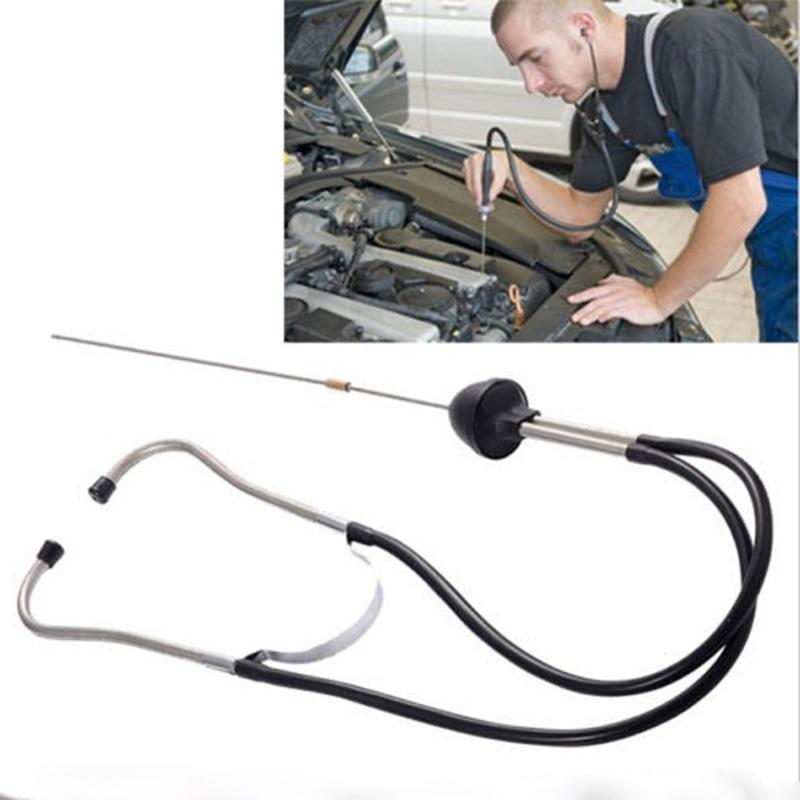
That distinct supercharger-like whine is the hallmark of a severely over-tensioned or misaligned dry belt. It’s a pure tonal sound caused by the belt teeth meshing too aggressively with the sprocket grooves. We use a mechanic’s stethoscope to isolate this sound directly on the cam belt cover. If the whine is loudest at the cover, it’s a timing issue. If it’s louder at the front of the engine, it could simply be an over-tightened auxiliary drive belt on the alternator pulley, which is a much cheaper fix.
Cold Start Rattle: Differentiating Chain Slap from Belt Slap
On a cold UK damp morning, a rattle from the timing end is alarming. A chain slap is a metallic, high-frequency jingle that typically lasts for one to two seconds until oil pressure builds in the chain tensioner. A belt slap, however, is a softer, deeper thudding or flapping sound. It occurs because the rubber has stretched and the automatic tensioner has reached its maximum travel limit. This is a critical warning sign; the belt is essentially loose and capable of skipping a tooth at any moment until the engine block warms up and thermal expansion takes up the slack.
The ‘Ticking’ Misdiagnosis: Direct Injection vs. Belt Damage
A rapid ticking sound often sends drivers into a panic about a failing belt. However, we frequently trace this to the high-pressure fuel injectors on modern direct-injection engines, which naturally click loudly. A damaged belt rarely produces a sharp ‘tick’. If a timing belt is failing, a more likely acoustic clue is a rhythmic ‘chuffing’ or slapping sound where a chunk of missing tooth passes over a smooth pulley. We always advise customers to check if the tick is engine-speed dependent (injectors) or half-engine-speed dependent (valvetrain/belt).
Squeak, Chirp, and Squeal: Pinpointing the Source
A rhythmic chirp that sounds like a family of crickets living under the bonnet is almost never the belt rubber itself. It’s almost always a bearing. A chirp is the sound of a dry, pitted ball bearing race vibrating under load. UK moisture and winter road salt significantly accelerate this corrosion. We see premium brands like INA and SKF suffer from external rust jacking, where corrosion creeps under the dust seal and contaminates the grease. A pulley that chirps on a cold morning but quiets down when warm is running on borrowed time.
When the Tensioner Pulley Bearing Fails Before the Belt
It’s a cruel irony: the Dayco or Gates belt still has 50% of its material life left, but the tensioner pulley bearing seizes, shredding the belt instantly. We see this pattern constantly on higher-mileage UK cars. The plastic pulley wheel melts from the friction, and the belt snaps. When we inspect the snapped belt, the teeth often look pristine, but the back is glazed and melted. This is why a complete cam belt replacement kit—including tensioner, idlers, and studs—is non-negotiable in our workshop.
Contamination: How Oil or Coolant Leaks Change Belt Acoustics
A silent belt doesn’t always mean a healthy belt. If a camshaft seal or water pump weep hole leaks coolant or oil onto a dry belt, the rubber absorbs the fluid. The belt goes quiet because the lubricated teeth slip silently into the sprocket. This silent slipping wears the tooth profile down rapidly. We’ve removed belts that looked like black liquorice strings, completely stripped of their tooth fabric, yet they made no noise at all in their final moments. If you see oil misting around the timing cover, the belt is likely compromised, even if it sounds fine.
Why a ‘Silent’ Belt Can Still Be a Ticking Time Bomb
The most dangerous belt is the one that gives no audible warning. Cracks on the root of the belt teeth—often caused by ozone degradation or heat cycling—propagate silently. By the time the belt stretches enough to flap, it’s seconds away from snapping. This is why strict adherence to the timing belt interval is critical. A visual inspection isn’t enough; we need to know the age and mileage history of the belt to declare it safe.
Manual Tension Checks vs. Automatic Tensioners
The methodology for checking tension has evolved. We walk our customers through the old-school techniques, explaining why they are now dangerously obsolete for modern engines. Engines manufactured in the last fifteen years, particularly those from Vauxhall and Volkswagen, rely on precise, spring-loaded automatic tensioners that cannot be validated by feel alone.
The 90-Degree Twist Test: Why We Don’t Rely on It Anymore
The ‘twist test’—grabbing the belt between thumb and forefinger and twisting it 90 degrees—was standard practice for old manual V-belts and early trapezoidal timing belts. On a modern HTDA (High Torque Drive Arc) rounded tooth profile, this test is useless and misleading. A belt stiff enough to resist twisting might still be dangerously loose under dynamic load, while a flexible belt could be perfectly tensioned. Relying on this test on a PSA PureTech or Ford EcoBoost engine is a gamble we refuse to take.
Reading the Indicator Marks on an Automatic Tensioner
The correct visual check involves the tensioner’s built-in pointer and base notches. On a cold engine, the pointer must align within a specific window. We frequently see VAG 1.6 TDI tensioners where the pointer has drifted just outside the window, indicating a stretched belt. This is often accompanied by the common tensioner stud failure, where the aluminium block threads strip. If the pointer is bouncing violently at idle, the tensioner damper has failed internally, and the unit must be replaced immediately.
Frequency-Based Tools: How the Pros Set the Perfect Interval
For precise diagnostics and installation, we use a Krikit gauge or a digital frequency analyzer. Dayco and Gates belts have specific tension frequency specs, measured in Hertz, based on the belt span length and mass. By plucking the belt span like a guitar string and measuring the vibration frequency, we can set the tension exactly to the manufacturer’s specification—typically between 110 and 160 Hz for a cold engine. This eliminates guesswork and ensures the belt isn’t just “tight,” but perfectly tuned to absorb torsional vibrations from the crankshaft without overloading the bearings.
Real-World Diagnosis: A Step-by-Step Listening Guide
We encourage informed owners to perform a basic acoustic triage. While we don’t advise untrained owners to disassemble engine covers, a simple listening test with a long screwdriver can help pinpoint a noise source before you drive to our garage. This is particularly useful for distinguishing between a failing PSA PureTech wet belt (common in UK Vauxhall and Citroën models) and a dry belt issue. Follow these steps to isolate the problem:
- Safety first: Park on level ground, apply the handbrake, and keep loose clothing and jewellery away from moving components.
- Locate the timing cover: Identify the plastic or metal casing at the front of the engine. Avoid touching hot or rotating parts.
- Use a listening tool: Place the tip of a long screwdriver firmly against the timing cover casing. Press the handle hard against your ear bone.
- Interpret the sounds: A healthy belt sounds like a smooth sewing machine. A failing tensioner bearing transmits a grinding, gravelly rumble. A flapping belt produces a rhythmic thumping.
- Compare sources: Move the screwdriver to the rocker cover to differentiate valvetrain noise from belt noise.
- Rev and listen: Have an assistant gently raise the RPM to around 2,500. Listen for resonant frequency rattles that only appear at specific engine speeds.
Revving Under Load: How We Identify Resonant Frequency Rattle
Some belts only make noise at a specific resonant frequency. We often diagnose a Ford EcoBoost 1.0 ‘wet belt’ degradation noise by holding the engine at around 2,500 RPM. At this speed, the degraded, softened belt teeth resonate, creating a distinct fluttering or chattering sound from the oil sump area as the debris starts to clog the oil strainer. A dry belt tensioner rattle, conversely, often manifests on the overrun when the engine braking force reverses the load on the tensioner arm.
The Repair Threshold: Adjust, Repair, or Replace?
Once a noise has been identified, the decision is binary. Our team strongly advises against adjustment-only repairs. A cam belt is a wear item, and noise is a symptom of structural compromise. Here is how we determine the correct course of action:
- Adjustment only: Almost never recommended. If a belt has stretched audibly, the damage is permanent.
- Component repair: Replacing just a noisy tensioner pulley while reusing an aged belt is a short-term gamble we refuse to take.
- Full replacement: The only safe, lasting solution. A complete kit with belt, tensioner, idlers, and new fasteners restores factory reliability.
Why Re-Tensioning a Worn Belt Is a False Economy
If a Continental or Gates belt has stretched to the point where the automatic tensioner can’t keep up, the damage to the tensile cord is permanent. Re-tensioning it merely masks the symptom while increasing the strain on the already fatigued fibres. We consider it a false economy; the labour cost to access the belt is the same as a full replacement. You wouldn’t polish a cracked crankshaft, and similarly, we won’t re-tension a worn belt just to have it snap 5,000 miles later.
The ‘Silent Failure’ Risk: When to Park the Car Immediately
There are certain sounds that demand an immediate engine shutdown. A sudden, loud rotational knock from the timing cover suggests a seized tensioner pulley has shattered. A change in engine note accompanied by a loss of power suggests a tooth has already skipped. If you experience these symptoms, especially on a busy UK motorway, coast to the hard shoulder and switch off. Towing the car to our facility for a cam belt replacement is exponentially cheaper than sourcing a reconditioned cylinder head.
Frequently Asked Questions
Can I drive my car if the cam belt is squeaking?
We strongly advise against it. A squeak usually indicates a failing tensioner or idler pulley bearing. If that bearing seizes while driving, the belt will snap in milliseconds, potentially causing severe engine damage. We recommend having the car towed or inspected immediately.
What does a Ford wet belt sound like when it fails?
The Ford EcoBoost 1.0 wet belt degradation noise is often a low, rumbling thrum from the bottom of the engine. As the belt delaminates, rubber debris can block the oil pickup, leading to a rattling timing chain or a flickering oil pressure light. It rarely squeals like a dry belt.
How often should a cam belt be replaced in the UK?
The timing belt interval varies by manufacturer, but for UK driving conditions—with our damp, cold winters and stop-start traffic—we typically see intervals between 4 and 7 years, or 60,000 to 100,000 miles. Always stick to the manufacturer’s time limit, as rubber degrades with age even if the mileage is low.
Is a timing chain better than a cam belt?
In the belt vs chain debate, it depends on the engine. Chains are marketed as ‘lifetime’ but can suffer from tensioner and guide wear, leading to expensive metal-on-metal rattles. Belts are quieter and more efficient but require strict replacement intervals. A poorly maintained chain can cost far more to fix than a routine belt change.
Why is my engine ticking but only when cold?
If the ticking goes away after a few minutes, it’s often just the hydraulic lifters filling with oil or the direct injection system running a cold-start cycle. However, a persistent tick that matches engine speed could be a damaged belt tooth slapping the cover. We always recommend a professional acoustic inspection to differentiate between the two.